
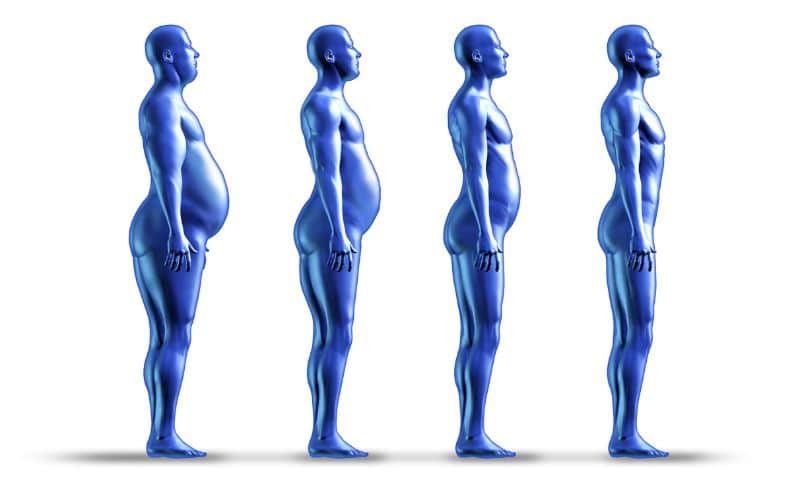
Do you ever feel like indulging in just one French fry adds two kilos to your weight? If you’re nodding in agreement, you’re not alone. Many people struggle with the frustration of seemingly gaining weight with the smallest indulgences. This can make the idea of shedding those extra kilos feel like a daunting task, especially if you’re not sure where to start.
Starting a weight loss journey can often feel overwhelming with the myriad of information and strategies available. However, the key to success lies in understanding the fundamentals of how your body works and how to effectively incorporate exercise into your routine. This article aims to be your guiding light, helping you navigate the path towards achieving your weight loss goals through strategic and informed workout plans.
Table of Contents
The Science Of Weight Loss
Losing weight involves more than just cutting calories and exercising. It’s a complex process influenced by metabolism, genetics and lifestyle choices. Understanding the science behind weight loss can help you make informed decisions and create an effective strategy for shedding those extra kilos.
Understanding Your Metabolism
Metabolism refers to the chemical processes in your body that convert food and drink into energy. These processes are essential for maintaining life, supporting everything from breathing and circulating blood to repairing cells and digesting food. The speed at which your body metabolizes food, also known as your metabolic rate, can significantly impact your ability to lose weight. People with a higher metabolic rate burn more calories even when at rest, making it easier for them to shed extra kilos.
Several factors influence metabolism, and understanding these can help you optimize your weight loss strategy:
| Factor | Impact on Metabolism |
| Age | As you age, your metabolic rate tends to slow down. This is due to a natural decline in muscle mass and a decrease in physical activity levels. The combination of these factors results in a slower metabolism, making it more challenging to maintain or lose weight efficiently compared to younger years. |
| Muscle Mass | Muscle tissue burns more calories at rest compared to fat tissue. Therefore, individuals with higher muscle mass have a higher resting metabolic rate. Muscle tissue requires more energy for maintenance, which increases the number of calories burned even when the body is at rest, aiding in weight management. |
| Activity Level | Regular physical activity boosts overall calorie expenditure. During intense or prolonged activities, the body experiences an afterburn effect (EPOC), where it continues to burn calories at an elevated rate even after the exercise session has ended. This increases daily caloric burn and supports weight loss efforts. |
| Genetics | Genetics can influence your baseline metabolic rate, determining how efficiently your body burns calories. Some individuals are genetically predisposed to have a faster or slower metabolism. Those with a slower genetic metabolic rate may find it more challenging to lose weight despite regular diet and exercise efforts. |
| Hormones | Hormones, particularly thyroid hormones, play a significant role in regulating metabolism. Conditions like hypothyroidism result in reduced thyroid hormone production, which slows down metabolic processes. Hormonal imbalances can decrease metabolic rate, making weight loss more difficult and contributing to weight gain. |
| Diet | A balanced diet is essential for optimal metabolic function. Proper nutrition ensures that metabolic processes operate efficiently. Diets lacking essential nutrients can impair metabolic efficiency, leading to reduced energy expenditure and potential weight gain due to the body’s inability to effectively process calories. |
| Hydration | Water is important for all metabolic processes. Dehydration can slow down metabolism significantly, as water is necessary for processing calories. Insufficient hydration affects the body’s ability to efficiently burn calories and perform metabolic functions, which can hinder weight loss efforts and overall metabolic health. |
| Sleep | Quality sleep is also important for maintaining a healthy metabolism. Poor sleep disrupts the balance of hormones that regulate hunger and appetite, such as ghrelin and leptin. This disruption can lead to increased calorie consumption and a slower metabolism, making it more difficult to manage weight and contributing to weight gain. |
Caloric Balance: Calories In vs. Calories Out
The principle of caloric balance is simple yet powerful: to lose weight, you must burn more calories than you consume. This balance is fundamental for those who work out to lose weight, as it directly impacts your ability to shed excess kilograms. Understanding and managing your caloric balance involves both sides of the equation—calories consumed through food and drink and calories expended through basal metabolic rate, physical activity and other bodily functions.
Creating a caloric deficit, where you consume fewer calories than your body needs to maintain its current weight, is vital for weight loss. There are several ways to achieve a caloric deficit:
Reducing Calorie Intake:
- Portion control: eating smaller portions helps reduce overall calorie intake without drastically changing what you eat.
- Choosing low-calorie foods: incorporate more fruits, vegetables, lean proteins and whole grains into your diet. These foods are nutrient-dense but lower in calories.
- Avoiding high-calorie, low-nutrient foods: limit the consumption of sugary snacks, fried foods and beverages high in calories like sodas and alcoholic drinks.
Increasing Physical Activity:
- Cardio exercises: activities such as running, swimming, cycling and aerobic classes burn a significant number of calories. Regular cardio workouts increase your overall energy expenditure.
- Strength training: building muscle through weightlifting or resistance training not only burns calories during the workout but also increases your resting metabolic rate, meaning you burn more calories even at rest.
- Everyday activities: simple changes like taking the stairs, walking more and engaging in physical hobbies can add up to increase your daily calorie burn.
Combining Both Approaches:
A balanced approach is key to achieving effective and sustainable weight loss. The most successful plans seamlessly blend dietary changes with increased physical activity, making sure you tackle both sides of the caloric balance equation. By not depending solely on diet or exercise, you can craft a flexible and enjoyable routine. This flexibility not only keeps things interesting but also helps prevent burnout, making it easier to stick to healthy habits for the long haul.

Total Daily Energy Expenditure (TDEE)
As we’ve mentioned, creating a caloric deficit is important for weight loss. But how do you determine the number of calories your body needs? This is where understanding your Total Daily Energy Expenditure (TDEE) comes into play.
Total Daily Energy Expenditure (TDEE) represents the total number of calories you burn in a day, encompassing all your physical activities and bodily functions. It’s a key metric for understanding how many calories your body needs to maintain its current weight.
To lose weight effectively, aim to consume fewer calories than your TDEE, creating a caloric deficit. This deficit prompts your body to use stored fat for energy, leading to weight loss. Online calculators are useful to estimate your TDEE based on your BMR and activity level. This gives you a baseline for how many calories you need to consume to maintain your weight and how many to cut to create a deficit.
Weight Loss vs. Fat Loss
When you lose weight, you may be losing a combination of fat, muscle and water. This is why the number on the scale can be misleading. A significant drop in weight might look encouraging, but if a substantial portion of that loss is muscle, it can actually be detrimental to your health and long-term weight management.
So while weight loss refers to a reduction in overall body weight, fat loss specifically targets the reduction of body fat. It’s important to focus on fat loss. That’s why at Austin Fitness, we encourage our clients to incorporate a balanced workout plan that includes cardio, strength training and mobility training to help preserve muscle mass while promoting fat loss.
Here are some key points to understand the difference between weight loss and fat loss:
| Aspect | Weight Loss | Fat Loss |
| Definition | Reduction in overall body weight, including fat, muscle and water. | Targeted reduction of body fat while preserving muscle mass. |
| Focus | General decrease in body weight regardless of source. | Specific focus on losing fat while maintaining or building muscle. |
| Impact on Metabolism | Can lower metabolic rate if muscle mass is lost, making it harder to maintain weight loss. | Maintains or increases metabolic rate by preserving muscle mass, making weight maintenance easier. |
| Body Composition | May result in a higher body fat percentage if significant muscle is lost. | Improves body composition by reducing fat and maintaining/increasing muscle mass. |
| Physical Strength | Potential loss of physical strength and functionality due to muscle loss. | Maintains or improves physical strength and functionality by preserving muscle. |
| Health Risks | Can lead to negative health outcomes if muscle mass is lost, such as increased risk of chronic diseases. | Reduces risk of chronic diseases and improves overall health by targeting fat loss. |
| Sustainability | Often less sustainable as it can lead to muscle loss and a lower metabolic rate, making weight regain likely. | More sustainable due to preserved muscle mass, higher metabolic rate, and better overall health. |
| Hormonal Balance | May disrupt hormonal balance, affecting metabolism and appetite regulation. | Helps maintain hormonal balance, supporting better metabolic health and appetite regulation. |
| Appearance | Weight loss may not significantly improve body shape or muscle definition. | Fat loss enhances body shape, muscle definition, and overall appearance. |
| Dietary Requirements | Focus on reducing overall calorie intake, which can lead to nutrient deficiencies if not managed properly. | Emphasizes adequate protein intake and balanced nutrition to support muscle preservation and fat loss. |
| Exercise Approach | May rely heavily on cardio exercises without sufficient strength training. | Combines strength training with cardio to effectively target fat loss and preserve muscle mass. |
| Long-term Benefits | Short-term weight loss can lead to long-term muscle loss and slower metabolism. | Long-term fat loss leads to sustained health benefits, better body composition, and easier weight maintenance. |
Misconceptions About Losing Weight
There are many myths about weight loss that can lead people to follow ineffective or even harmful practices. Let’s debunk some of the most common misconceptions:
- Spot reduction: the belief that you can target fat loss in specific areas of the body, such as doing crunches to eliminate belly fat, is a misconception. Fat loss occurs throughout the entire body, not just in isolated areas.
- Extreme diets: many people think that following extreme diets is necessary to see results. However, these diets often deprive the body of essential nutrients, leading to health issues and making the diet unsustainable in the long term.
- Excessive exercise: the idea that you need to engage in excessive exercise to lose weight is another myth. Overworking yourself can lead to burnout, injuries and a negative relationship with exercise.
- Skipping meals: some believe that skipping meals will help them lose weight faster. In reality, this can slow down your metabolism and lead to overeating later in the day.
- Carbs are the enemy: while reducing refined carbs can aid weight loss, cutting out all carbohydrates is not necessary and can deprive your body of essential energy sources.
- Fat makes you fat: not all fats are bad. Healthy fats, such as those found in avocados, nuts and olive oil, are essential for your body and can actually help you feel full and satisfied.
- All calories are equal: the quality of your calories matters just as much as the quantity. Nutrient-dense foods provide more health benefits compared to empty calories from sugary snacks or processed foods.
- Supplements can replace a healthy diet: relying on supplements to lose weight is not effective. A balanced diet rich in whole foods is crucial for overall health and sustainable weight loss.
- Detox diets are effective: detox diets and cleanses promise quick weight loss but often result in temporary water weight loss rather than fat loss. They can also lead to nutrient deficiencies and other health issues.
Avoiding these common pitfalls and understanding the truth behind these myths can help you develop a more effective and healthier approach to weight loss.
Factors Affecting Weight Loss
Understanding the various factors that influence weight loss is important for creating an effective and personalized plan. While diet and exercise are often the focus, several other elements can impact your ability to shed unwanted kilos. These include genetics, lifestyle choices, hormonal imbalances and underlying medical conditions. By recognizing and addressing these factors, you can develop a more comprehensive and realistic approach to achieving your weight loss goals.
Genetics
Genetics can play a significant role in your ability to lose weight. Some people may have a genetic predisposition to gain weight more easily or have a slower metabolism. While you cannot change your genetic makeup, understanding its influence can help you set realistic goals and tailor your weight loss strategy to your unique needs. Emphasizing healthy habits and consistent effort can help you overcome genetic challenges and work out to lose weight.
Underlying Medical Conditions, Medications And Hormonal Imbalances
Certain medical conditions, medications and hormonal imbalances can impact your weight. Conditions like hypothyroidism, polycystic ovary syndrome (PCOS), and certain medications can make weight loss more challenging. Consulting a healthcare professional can help you identify and manage these factors, allowing you to create a more effective plan to work out to lose weight.
Lifestyle And Environmental Factors
Your lifestyle and environment play important roles in your weight loss journey. Factors like stress, sleep patterns and daily habits can influence your ability to lose weight. Managing stress through relaxation techniques, ensuring adequate sleep and creating a supportive environment can enhance your efforts to work out to lose weight. Small changes in your daily routine can lead to significant improvements over time.
Psychological Factors
Psychological factors can significantly impact your ability to lose weight. The mind-body connection plays a crucial role in how you approach dieting, exercise and overall lifestyle changes.
Limiting beliefs about food and weight loss can lead to self-sabotage. For instance, believing that you have no control over your eating habits or that you’ll never be able to lose weight can undermine your efforts. These negative thought patterns can cause you to give up on your weight loss plan, thinking it’s pointless to continue.
Dieting And Long-Term Weight Gain
Research has shown that traditional dieting is often linked to long-term weight gain rather than weight loss. This is because restrictive diets can create a cycle of deprivation and overeating. When you deny yourself certain foods, you may experience intense cravings. Eventually, this can lead to binge eating, which not only negates the caloric deficit but also contributes to feelings of guilt and failure.
Food Restrictions And Cravings
Restricting certain foods can increase their appeal, making them seem more desirable. High-carb, high-fat foods, in particular, can trigger hedonic eating, where the pleasure of eating overrides hunger signals. This type of eating is driven by the brain’s reward system and can lead to overeating and weight gain.
Develop A Healthy Relationship With Food
To achieve sustainable weight loss, it’s important to develop a healthy relationship with food. This involves shifting your mindset from seeing food as the enemy to viewing it as fuel for your body.
Address Emotional Eating Patterns
Emotional eating is a common obstacle in weight loss. To address this, it’s important to recognize when you’re eating for emotional reasons rather than physical hunger. Identifying triggers such as stress, boredom, or sadness can help you understand your eating patterns better. By developing healthier coping mechanisms, such as exercising, meditating, or engaging in hobbies, you can manage emotional eating and support your weight loss goals.
Benefits Of Working Out To Lose Weight
| Benefit | Description |
| Reduced Chronic Disease Risk | Losing weight can lower your risk of chronic diseases like diabetes, heart disease, and stroke. It reduces strain on your heart and lowers blood pressure, promoting cardiovascular health. |
| Improved Mental Health | Weight loss can reduce symptoms of depression and anxiety. Achieving your goals boosts self-esteem and overall mood, leading to a healthier, happier life. |
| Enhanced Mobility & Energy | Shedding excess weight makes physical activities easier and increases energy levels. Improved mobility promotes a more active lifestyle and supports weight maintenance. |
| Better Sleep Quality | Weight loss improves sleep patterns and reduces issues like sleep apnea. Quality sleep is essential for overall health, supporting weight loss efforts and enhancing daily performance. |
| Increased Good Cholesterol | Losing weight can improve HDL (good cholesterol) levels, which promotes heart health and reduces the risk of cardiovascular diseases. |
| Lower Triglycerides | Weight loss helps reduce triglyceride levels, decreasing the risk of heart disease and supporting cardiovascular health. |
| Reduced Blood Pressure | Shedding pounds lowers blood pressure, reducing strain on the cardiovascular system and decreasing the risk of heart disease and stroke. |
| Improved Insulin Sensitivity | Weight loss enhances insulin sensitivity, reducing the risk of type 2 diabetes and supporting overall metabolic health. |
| Reduced Inflammation | Lowering weight decreases inflammation in the body, improving overall health and supporting cardiovascular wellness. |
| Better Bone Health | Weight loss can impact bone density. Strength training helps maintain bone health and reduces the risk of osteoporosis. |
| Medication Reduction | Losing weight may allow you to reduce or eliminate certain medications, improving quality of life and overall health. |
| Enhanced Fertility | Higher weight can affect fertility. Weight loss can enhance fertility, especially in those with polycystic ovary syndrome (PCOS), supporting reproductive health. |
| Boosted Sex Drive | Weight loss improves self-esteem and physical health, boosting sex drive and contributing to a healthier sex life. |
| Positive Feedback Loop | Losing weight boosts energy, reduces joint pain, and increases confidence. These benefits motivate more exercise and better diet, leading to further health improvements. |
Strategies To Effectively Work Out To Lose Weight
Exercise is a key component of any weight loss plan. It helps burn calories, boosts metabolism, builds muscle and improves overall health. A balanced routine that includes different types of exercises can maximize fat loss while preserving muscle mass.
Types Of Exercise For Weight Loss
| Cardio | Strength Training | Mobility Training | |
| Description and Benefits | Cardio exercises elevate your heart rate and increase calorie burn, improving cardiovascular endurance and stamina. They burn calories quickly, help create a caloric deficit, and improve cardiovascular health. | Strength training involves resistance exercises that build and maintain muscle mass, enhancing metabolism and overall strength. It builds muscle mass, increases resting metabolic rate (BMR) and supports long-term weight loss. | Mobility exercises improve flexibility, joint health and range of motion, which aids in performance and recovery. They enhance physical performance, reduce the risk of injury, and aid recovery from other workouts. |
| Examples | Running: outdoor running, treadmill running, interval sprints. Cycling: outdoor biking, stationary biking, spin classes. Swimming: freestyle, breaststroke, backstroke, laps in a pool. Brisk walking: power walking in parks or on trails. Aerobics: high-impact aerobics classes, dance aerobics, step aerobics. | Weightlifting: free weights (dumbbells, barbells), machine weights. Resistance bands: various resistance levels for different muscle groups. Body-weight exercises: push-ups, squats, lunges, pull-ups, planks. | Yoga: Hatha yoga, Vinyasa yoga, restorative yoga. Dynamic Stretching: leg swings, arm circles, torso twists. Pilates: mat pilates, reformer pilates, pilates with resistance bands. |
| Intensity Level | Moderate to High | Moderate to High | Low to Moderate |
| Recommended Duration and Frequency | 30-60 minutes, 3-5 times per week | 30-45 minutes, 2-4 times per week | 20-60 minutes, 2-3 times per week |
| Target Areas | Whole body, with a strong focus on the cardiovascular system, legs and core muscles. Cardio also engages the respiratory system, improving overall stamina and endurance. | Target areas include major muscle groups such as the chest, back, arms, shoulders, legs and core. Specific exercises target different muscles to ensure balanced muscle development and strength. | Focuses on the flexibility and health of joints, tendons, and muscles throughout the body. Emphasizes the hips, shoulders, spine, and ankles. Enhances the range of motion and muscle recovery, supporting overall functional fitness. |
Cardio Vs. Strength Training For Fat Loss
To achieve effective weight loss while maintaining muscle strength, it’s important to include both cardio and strength training in your fitness routine. Each type of exercise offers unique benefits, and understanding the key differences can help you create a more balanced and efficient workout plan. The table below outlines the specific advantages of cardio and strength training, helping you see why both are valuable for your fitness journey.
| Aspect | Cardio | Strength Training |
| Calories Burned | Burns a high number of calories per session | Burns fewer calories during the session but more overall due to muscle gain |
| Muscle Building | Minimal muscle gain | Significant muscle gain and strength |
| Metabolism Impact | Temporary increase in metabolism | Long-term increase in metabolism due to muscle mass |
| Fat Loss | Effective for overall fat loss | Indirectly supports fat loss by increasing muscle mass and metabolism |
| Heart Health | Greatly improves cardiovascular health | Also improves cardiovascular health, but to a lesser extent |
| Bone Health | Minimal impact | Improves bone density and strength |
| Variety | Activities like running, cycling, swimming, etc. | Activities include weight lifting, resistance exercises, bodyweight exercises |
| Accessibility | Can be done with minimal equipment | Often requires gym equipment or weights |
| Workout Duration | Typically longer sessions | Can be shorter, more intense sessions |
| Post-Workout Effects | Short-term increase in calorie burn | Long-term calorie burn due to muscle repair |
Combining both types of exercise can provide the best results for those who work out to lose weight. Here’s why:
Balanced Caloric Burn
Cardio exercises burn a significant amount of calories quickly, helping to create an immediate caloric deficit. Strength training, by building muscle, ensures that your body continues to burn more calories even at rest, sustaining the caloric deficit over the long term.
Enhanced Physical Fitness
Cardio improves your cardiovascular system, making your heart and lungs more efficient. Strength training increases muscle strength and endurance, allowing you to perform daily activities with greater ease and reducing the risk of injury.
Improved Body Composition
Focusing solely on cardio might lead to weight loss, but it can also result in muscle loss. Strength training preserves and builds muscle mass, ensuring that the weight you lose is primarily fat. This results in a toned, leaner physique.
Long-Term Weight Management
By boosting your metabolism through increased muscle mass, strength training helps prevent the common problem of weight regain. This makes it easier to maintain your weight loss over time.
Variety And Motivation
Incorporating both cardio and strength training into your routine provides variety, which can keep your workouts interesting and prevent boredom. This variety can also help you stay motivated and consistent, which is key to achieving long-term success.
Work With A Personal Trainer
A personal trainer can tailor a workout plan specifically to your goals, ensuring you stay motivated and focused. They provide expert guidance on proper form, which not only maximizes the effectiveness of your exercises but also minimizes the risk of injury.
By closely monitoring your progress, a personal trainer can adjust your routine as needed, keeping your workouts challenging and aligned with your evolving fitness level. This personalized approach not only enhances your ability to lose weight effectively but also makes the entire process more enjoyable.
With a personal trainer, you’ll have the support and accountability needed to stay committed and reach your fitness goals. Their encouragement and expertise turn your weight loss journey into a rewarding and sustainable experience.
Importance Of Rest And Recovery
Rest days are vital for muscle recovery and preventing injuries. Ensure you get adequate sleep and allow your body to heal. Overtraining can lead to burnout and hinder your weight loss progress, so balance your workouts with proper rest to maintain a healthy routine as you work out to lose weight.
Dealing With Physical Limitations Or Injuries
Adapting your workouts to accommodate any physical limitations is key for maintaining a safe and effective fitness routine. Low-impact exercises, such as swimming or cycling, can still be highly effective for weight loss while reducing the strain on your joints and muscles. Consulting with a healthcare provider, physical therapist or personal trainer can help you create a tailored exercise plan that addresses your specific needs and ensures you can work out to lose weight without risking injury.
Overcoming Common Exercise Barriers
By identifying and addressing certain barriers, you can create a sustainable exercise routine that helps you effectively work out to lose weight.
| Barrier | Description | Solution |
| Time Constraints | Difficulty finding time to exercise | Schedule workouts as non-negotiable appointments. |
| Lack of Motivation | Struggling to stay motivated | Set small, achievable goals and reward yourself. |
| Access to Equipment | Limited or no access to gym equipment | Focus on bodyweight exercises or activities like walking. |
| Physical Limitations | Injuries or chronic conditions | Adapt workouts to your abilities and consult professionals. |
| Boredom with Routine | Losing interest in repetitive exercises | Mix up your routine with different types of activities. |
| Lack of Knowledge | Unsure of how to exercise effectively | Consider hiring a personal trainer for guidance. |
Consistency
Think of working out like brushing your teeth. You can’t expect to have perfect dental health after brushing just once. It’s the daily habit that keeps your teeth healthy and strong. Similarly, consistent workouts are necessary to see and maintain fitness results.

Why consistency is important:
- Sustained progress: regular workouts help you gradually build strength, endurance, and flexibility. Sporadic exercise may not provide the continuous improvement needed to reach your goals.
- Habit formation: consistency helps you establish exercise as a habit, making it a regular part of your daily routine. This makes it easier to stick with your fitness plan over the long term.
- Enhanced results: consistent exercise leads to better results in terms of weight loss, muscle gain, and overall fitness. Your body responds more effectively to regular activity.
- Injury prevention: regular exercise helps improve your form and technique, reducing the risk of injuries that can occur when you work out irregularly.
- Mental health benefits: consistent exercise has been shown to reduce stress, anxiety, and depression, providing mental as well as physical benefits.
How to achieve consistency:
- Set realistic goals: establish achievable and specific fitness goals to keep yourself motivated. Break larger goals into smaller milestones to celebrate progress along the way.
- Create a schedule: plan your workouts in advance and treat them as important appointments. Consistency in timing helps reinforce the habit.
- Find enjoyable activities: choose exercises you enjoy to make your workouts something you look forward to. This increases the likelihood of sticking with your routine.
- Track your progress: use a journal or fitness app to record your workouts, monitor your progress, and stay motivated by seeing your improvements over time.
- Stay accountable: work out with a friend, join a fitness group, or hire a personal trainer to keep yourself accountable. Having someone to share your journey with can boost your commitment.
- Be flexible: while consistency is important, it’s also crucial to be adaptable. If you miss a workout, don’t get discouraged. Get back on track as soon as possible.
Nutrition’s Role In Weight Loss
While this article focuses on working out to lose weight, it would be remiss not to mention the role of nutrition.
Remember, what you eat is just as important as how you exercise when it comes to losing weight and staying fit.
Macronutrients (Macros)
Understanding the role of proteins, fats and carbohydrates in your diet can help you optimize your nutrition for workouts. Proteins support muscle repair and growth, fats provide essential fatty acids and energy, and carbohydrates fuel your workouts. A balanced intake of macronutrients supports your efforts to work out to lose weight.
Balanced Meals
Avoid fad diets and focus on balanced meals. Limit processed foods, alcohol and liquid calories like sugary drinks and coffee creamers, which can contribute significantly to your daily calorie intake. A balanced diet rich in whole foods supports overall health and helps you work out to lose weight effectively.
Understanding Eating Triggers
Identify emotional, bored, distracted or social eating patterns and develop strategies to manage them. Being mindful of your eating habits can help you make healthier choices and avoid overeating, supporting your efforts to lose weight.
Ready To Commit To A Lifestyle Change?
At Austin Fitness, we are with you every step of the way, creating a personalized plan for both working out and nutrition. Our focus is on helping you set realistic goals and make gradual, sustainable changes that fit your lifestyle. We believe in the power of positivity and incorporating fun into your fitness routine to keep you engaged and motivated.
Tracking your progress is key to staying motivated, and we provide the tools and support you need to see your achievements along the way. Whether it’s hitting a new personal best or simply sticking to your routine, we celebrate your successes with you.
With Austin Fitness, you’re never alone on your journey to work out to lose weight. Together, we’ll build a plan that works for you, ensuring your path to fitness is enjoyable and rewarding. Let’s make your health and fitness goals a reality, one step at a time.
I have spent the last 35 years researching the best methods for losing weight and getting that lean and toned athletic look. I hold certifications in Personal Fitness Training and Performance Nutrition from the International Sports Science Association. Additionally I have completed the Reg Park Master Trainer Course and wrote the book “The Mc Donald’s Diet.” If you want to get into your best possible shape in the shortest possible time, then book a free trail now.
