

Looking to lose fat AND build muscle?
When setting fitness goals, most people find themselves choosing between losing weight or gaining muscle. But what if you didn’t have to choose? By focusing on body recomposition, you can actually achieve both simultaneously. It may sound counterintuitive since weight loss typically requires a calorie deficit, while muscle gain necessitates a calorie surplus. However, with the right strategy, you can successfully navigate this balance.
Achieving body recomposition involves optimizing your diet, exercise and lifestyle to promote both fat loss and muscle growth. Though it may seem challenging, understanding the underlying physiological processes can help you create an effective plan to achieving a healthier and stronger body.
Table of Contents
Understanding Body Composition
Body composition is an important aspect of health and fitness that goes beyond mere body weight. It provides a detailed breakdown of the different components that make up the human body, offering insights into one’s overall physical condition and health.
What Is Body Composition?
Body composition refers to the percentages of fat, bone, water and muscle in the human body. Unlike body weight, body composition analysis can show changes in fat mass, muscle mass and body fat percentage. Understanding your body composition is important as it provides a clearer picture of your health and fitness levels than just stepping on a scale.
What Is Body Recomposition?
Body recomposition focuses on changing the ratio of fat mass to lean mass (muscle) in the body. It involves a more strategic and targeted approach to fitness that goes beyond simply losing weight.
Unlike traditional weight loss strategies that primarily focus on reducing overall body weight, body recomposition aims for a dual transformation: simultaneously lose fat and build muscle. This method results in a leaner, more toned physique and improved overall body aesthetics.
History Of Body Recomposition
The concept of body recomposition has been around for decades, evolving as our understanding of nutrition and exercise science has advanced. Early fitness enthusiasts experimented with various methods to achieve this balance, but it wasn’t until the late 20th century that structured programs began to emerge, backed by scientific research.
In the early days of fitness and bodybuilding, the primary focus was often on either bulking (gaining weight and muscle) or cutting (losing weight and fat). Athletes and bodybuilders would go through distinct phases of eating in a calorie surplus to gain muscle mass, followed by a calorie deficit phase to reduce body fat. However, this often led to muscle loss during the cutting phase and fat gain during the bulking phase.
The transition towards body recomposition as a distinct concept began in the 1970s and 1980s, as athletes and researchers started to explore the possibility of achieving both goals, lose fat and build muscle simultaneously. Figures like Arnold Schwarzenegger and Franco Columbu experimented with high-intensity weight training coupled with controlled nutrition to maintain muscle mass while reducing body fat, laying the groundwork for future research and methodologies.
By the late 20th century, structured programs began to emerge. Programs like the one proposed by Dr. Fred Hatfield, also known as “Dr. Squat,” who advocated for a combination of heavy resistance training and careful dietary planning to achieve body recomposition.
Successful Methods For Fat Reduction
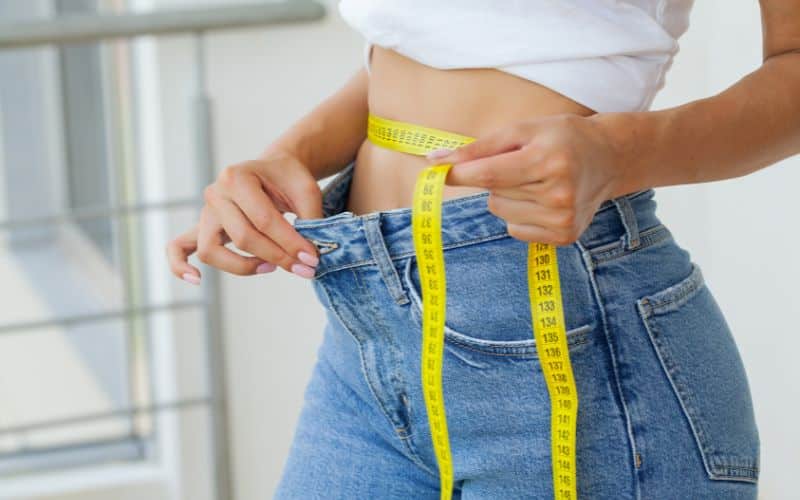
Embarking on a journey to lose body fat is not only about aesthetics but also about improving overall health and well-being. Effective fat loss strategies are multifaceted and include a variety of lifestyle changes.
Understanding the benefits of fat loss and how to achieve it can provide the motivation and guidance needed to succeed. This section dives into various strategies designed to help you reduce body fat efficiently and healthily.
Benefits Of Fat Loss
| Benefit | Description | Supporting Studies |
| Reduced Risk Of Chronic Diseases | Lower risk of type 2 diabetes, heart disease, stroke and certain cancers. Improves blood pressure, cholesterol levels and blood sugar control. | Diabetes Prevention Program (DPP) showed a 58% reduction in diabetes risk with weight loss and lifestyle changes. |
| Enhanced Cardiovascular Health | Better heart function, decreased arterial plaque buildup and reduced risk of cardiovascular events like heart attacks and strokes. | American Heart Association found weight loss improves cardiovascular health by lowering blood pressure and cholesterol levels. |
| Improved Joint Function | Less stress on joints, resulting in decreased pain, inflammation and improved mobility. Especially beneficial for knees, hips and lower back. | Osteoarthritis Research Society International found weight loss reduced knee pain and improved function |
| Increased Mobility And Flexibility | Greater ease of movement and range of motion, allowing for more varied physical activity and improved quality of life. | Journal of Orthopaedic & Sports Physical Therapy reported increased mobility and flexibility with weight loss. |
| Boosted Self-Esteem And Mental Health | Better body image and self-confidence. Lower levels of depression and anxiety. Increased motivation and mental resilience. | National Institutes of Health links weight loss to improved mood and mental health. |
| Higher Energy Levels | More energy and reduced fatigue. Enhanced daily activity levels and physical performance. Increased productivity. | Diabetes Prevention Program Outcomes Study (DPPOS) showed long-term benefits in energy and activity levels. |
| Better Sleep Quality | Reduced risk of sleep disorders such as sleep apnea. Improved sleep duration and quality, leading to better overall health. | American Diabetes Association found that weight loss improves sleep quality by reducing sleep apnea. |
| Optimised Hormonal Balance | Improved insulin sensitivity and balanced hormones. Benefits metabolism and reproductive health. | Diabetes Prevention Program Outcomes Study highlighted the hormonal benefits of weight loss. |
Effective Strategies For Fat Loss
Fat loss specifically targets the reduction of excess body fat. Incorporating strategies that focus on dietary adjustments, physical activity, and lifestyle changes can help you reach your goals efficiently and maintain them long-term.
Calorie Deficit
Creating a calorie deficit means consuming fewer calories than your body needs to maintain its current weight. To do this effectively, it’s essential to understand two key components: Basal Metabolic Rate (BMR) and the Thermogenic Effect of Food (TEF).
Your BMR represents the number of calories your body needs at rest to perform essential functions such as breathing, circulation and cell production. This baseline energy expenditure accounts for the majority of your daily calorie needs. The TEF, on the other hand, is the energy expended by your body to digest, absorb and metabolise nutrients from food, which typically accounts for about 10% of your total daily caloric intake.
Together, BMR and TEF contribute to your Total Daily Energy Expenditure (TDEE), which is the total number of calories you burn each day, including physical activity. To create a calorie deficit, you need to consume fewer calories than your TDEE. However, it’s important to ensure your diet remains balanced, providing the necessary nutrients for overall health and muscle maintenance.
Balanced Diet With Natural Foods
As mentioned above, maintaining a balanced diet is important for effective fat loss and overall health. A diet rich in natural foods such as fruits, vegetables, lean proteins, whole grains and healthy fats provides necessary nutrients and helps regulate appetite, making it easier to sustain a calorie deficit without feeling deprived.
Focusing on whole foods and paying attention to macronutrients (proteins, carbohydrates and fat), is vital. Each macronutrient plays a specific role in your body’s functioning and achieving your fitness goals:
- Proteins: important for muscle repair and growth, proteins help maintain muscle mass during weight loss. They also increase satiety, making you feel fuller for longer, which can prevent overeating. Aim for lean protein sources such as chicken, fish, legumes, and low-fat dairy.
- Carbohydrates: provide the primary energy source for your body. Choose complex carbohydrates like whole grains, fruits and vegetables, which offer sustained energy and are rich in fiber, helping to keep you full.
- Fats: necessary for hormone production and overall health. Focus on healthy fats from sources like avocados, nuts, seeds, and olive oil, which support metabolic functions and help with satiety.
Creating a calorie deficit means consuming fewer calories than your body needs to maintain its current weight. However, ensuring your diet remains balanced with the right proportions of macronutrients and nutrient-dense foods is key for maintaining overall health and muscle mass. By strategically managing your macronutrient intake and focusing on whole foods, you can create a sustainable calorie deficit that promotes fat loss and supports your fitness goals.
Increase Fiber And Water-Rich Foods
Incorporating high-fiber foods into your diet is a powerful strategy for promoting satiety and reducing overall calorie intake. Foods rich in fiber, such as fruits, vegetables, legumes, and whole grains, help you feel fuller for longer by slowing digestion and stabilising blood sugar levels. This prolonged sense of fullness can reduce the urge to snack between meals and lower your total caloric intake. Fiber also supports digestive health and regularity, contributing to overall well-being.
Water-rich foods, such as cucumbers, tomatoes, melons and leafy greens, also play a crucial role in weight management. These foods provide volume without adding many calories, helping you feel full and hydrated.
Reduce Processed Food
Processed foods are often laden with unhealthy fats, sugars and empty calories, which can contribute to weight gain and poor health. Reducing your intake of these foods can help you achieve a calorie deficit more effectively and improve your overall nutrition. Processed foods typically lack essential nutrients and can lead to spikes in blood sugar levels, followed by crashes that increase cravings and hunger. By focusing on whole, unprocessed foods, you can provide your body with the nutrients it needs while maintaining stable energy levels and supporting long-term fat loss.
Limit Alcohol
Alcohol consumption can add a lot of empty calories to your diet and negatively affect your metabolism. Unlike macronutrients, alcohol provides calories without nutritional benefits and can impair your body’s ability to burn fat. Limiting alcohol intake not only aids in reducing caloric intake but also helps in improving overall metabolic health. Alcohol can also lower inhibitions and lead to poor dietary choices, further hindering fat loss efforts.
Stay Hydrated
Proper hydration is fundamental for effective weight management. Drinking adequate water throughout the day supports various metabolic processes, including fat oxidation and energy expenditure. Staying hydrated also helps regulate appetite, as the body can sometimes confuse thirst with hunger, leading to unnecessary calorie consumption. Aim to drink at least 8 glasses of water daily, adjusting for factors such as weight, activity level and climate, to support overall health and weight loss goals. By ensuring you are well-hydrated, you can improve digestion, nutrient absorption and overall metabolic efficiency, contributing to better weight management and overall health.
Get Enough Sleep
Adequate sleep is vital for weight management as it significantly influences hunger hormones like ghrelin and leptin. Ghrelin stimulates appetite, while leptin signals satiety to the brain. Lack of sleep increases ghrelin levels and decreases leptin levels, leading to increased hunger and potential overeating. Aim for 7-9 hours of quality sleep per night to support hormonal balance, muscle recovery and overall well-being. Consistent, restful sleep can enhance your ability to stick to a calorie deficit and maintain a healthy weight.
Manage Stress Levels
Chronic stress can impede fat loss efforts by elevating cortisol levels, a hormone that promotes fat storage, particularly around the abdominal area. Managing stress through techniques such as meditation, yoga, deep breathing exercises and regular physical activity can help lower cortisol levels and support weight loss. Incorporating these stress management practices into your daily routine can improve mental health, reduce emotional eating and enhance overall well-being.
Cardiovascular Workouts
Incorporating regular cardiovascular workouts, such as running, cycling, swimming or brisk walking, is key for increasing calorie burn and supporting fat loss. Cardio exercises elevate your heart rate and boost your metabolism, helping you create a caloric deficit. The American Heart Association recommends aiming for at least 150 minutes of moderate-intensity or 75 minutes of high-intensity cardio exercise per week, however, it is important to speak with your doctor or work with a trainer to determine the right amount of exercise for your specific needs and health conditions. Combining cardio with strength training can further enhance fat loss by preserving muscle mass and improving overall body composition.
Successful Solutions For Muscle Growth

Building muscle involves a combination of proper nutrition, resistance training and recovery strategies. By focusing on these key areas, you can optimize muscle growth and enhance your physical performance. This section will explore the benefits of strength training and various strategies to help you effectively build muscle and achieve your fitness goals.
Benefits Of Building Muscle
| Benefit | Description | Supporting Studies |
| Increased Metabolic Rate | Muscle tissue requires more energy to maintain than fat tissue, leading to a higher resting metabolic rate (RMR). | Journal of Applied Physiology found that resistance training can increase RMR. |
| Improved Strength | Enhanced physical strength allows for better performance in daily activities and athletic pursuits. | Journal of Strength and Conditioning Research demonstrated strength gains with regular resistance training. |
| Better Body Composition | Increased muscle mass and reduced body fat contribute to a leaner, more toned physique. | Obesity Reviews indicated that resistance training improves body composition. |
| Enhanced Physical Performance | Greater muscle mass improves performance in sports and physical activities by providing more power and endurance. | Sports Medicine reviewed the impact of strength training on athletic performance. |
| Increased Bone Density | Resistance training can increase bone density, reducing the risk of osteoporosis and fractures. | Journal of Bone and Mineral Research found that weight-bearing exercise enhances bone density. |
| Enhanced Insulin Sensitivity | Increased muscle mass improves the body’s ability to use insulin, reducing the risk of type 2 diabetes. | Diabetes Care showed improved insulin sensitivity with regular strength training. |
| Better Posture and Joint Health | Stronger muscles support better posture and joint stability, reducing the risk of injuries and chronic pain. | Journal of Bodywork and Movement Therapies highlighted improvements in joint health with strength training. |
| Improved Mental Health | Regular strength training has been linked to reduced symptoms of depression and anxiety and improved mood. | JAMA Psychiatry indicated that resistance exercise training significantly reduces depressive symptoms. |
Effective Muscle Building Strategies
Building muscle requires a combination of targeted exercise routines, proper nutrition, and adequate rest. By focusing on these key areas, you can enhance muscle growth, improve strength, and support overall health.
Increase Protein Intake
Protein is vital for muscle growth and repair. It also helps you feel fuller for longer, reducing the likelihood of snacking. Aim for about 1.6 to 2.2 grams of protein per kilogram of body weight per day to support muscle building. Good sources of protein include lean meats, fish, eggs, dairy products, legumes and plant-based protein sources like tofu and tempeh.
Manage Insulin Levels
Proper management of insulin levels supports muscle growth. Consuming carbohydrates at the right times, such as before and after workouts, can help optimise insulin response and fuel muscle building. Balancing your intake of protein and healthy fats with carbohydrates can also help maintain stable insulin levels throughout the day.
Limit Processed Food
Just as with fat loss, limiting processed food is important for muscle building. Focus on nutrient-dense whole foods to provide the necessary nutrients for muscle growth. Processed foods often contain unhealthy fats, sugars and artificial additives that can hinder muscle development and overall health. Opt for whole grains, fruits, vegetables, lean proteins and healthy fats to fuel your body effectively.
Stay Hydrated
Hydration supports muscle function and recovery. Drinking enough water aids in nutrient transport and waste removal, facilitating optimal muscle performance. Dehydration can lead to decreased strength, endurance and muscle cramps. Aim to drink at least 8-10 glasses of water daily, depending on weight, climate and physical activity.
Adequate Sleep For Muscle Recovery
Sleep is important for muscle recovery and growth. During sleep, your body repairs damaged muscle fibers and synthesises new muscle tissue. Ensure you get enough rest to maximise your gains, aiming for 7-9 hours of quality sleep each night.
Limit Alcohol
Alcohol can interfere with protein synthesis and muscle recovery. Limiting alcohol consumption is beneficial for maximising muscle gains. Alcohol can also dehydrate the body and disrupt sleep patterns, both of which can negatively affect muscle growth.
Follow A Weight Training Program
A well-structured weight training program is key to building muscle. When you engage in weight training, your muscles undergo a process known as hypertrophy, where the muscle fibers sustain tiny tears due to the stress of lifting weights. This micro-damage triggers the body’s repair mechanisms. During the recovery phase, the body repairs these fibers, fusing them together and increasing their mass and strength. This adaptation helps muscles become larger and stronger over time.
Compound exercises like squats, deadlifts, bench presses, rows and overhead presses are particularly effective because they engage multiple muscle groups simultaneously. This not only allows for balanced muscle development but also helps in lifting heavier weights, which further stimulates muscle growth. Incorporating isolation exercises, such as bicep curls and tricep extensions, can help target specific muscles, addressing any weaknesses and contributing to overall muscle symmetry.
Progressive overload is an essential principle in a successful weight training program. By gradually increasing the weight, reps or intensity of your workouts, you continually challenge your muscles, preventing them from adapting to a routine and plateauing. This ongoing challenge ensures continuous muscle growth and strength gains.
Proper form and technique are critical to prevent injuries and maximise workout effectiveness. Ensuring correct exercise execution helps in targeting the intended muscle groups accurately and avoids undue stress on joints and ligaments. Listening to your body and adjusting your program as needed, such as incorporating deload weeks or modifying exercises, can also support long-term muscle building and overall fitness.
Proven Methods To Lose Fat And Build Muscle
Now that we have explored the benefits and effective strategies for both fat loss and muscle building individually, it’s time to discuss how to combine these goals. To lose fat and build muscle, requires a balanced approach that incorporates elements from both areas. By strategically adjusting your diet, exercise routine and recovery protocols, you can optimise your efforts to shed fat while building and preserving muscle mass. Let’s dive into the strategies that can help you achieve this dual objective.
| Strategy | Description | Tips |
| Calorie Cycling | Adjust calorie intake based on activity level, consuming more on training days and less on rest days. | Plan meals ahead based on your workout schedule. |
| High-Protein Diet | Increase protein intake to support muscle repair and growth while aiding in fat loss. | Include a protein source in every meal, such as chicken, fish, beans or Greek yogurt. |
| Nutrient Timing | Consume protein and carbohydrates around workouts to fuel performance and recovery. | Eat a balanced meal 1-2 hours before workouts and a protein-rich snack post-workout. |
| Cardio Workouts | Incorporate moderate-intensity cardio to enhance fat loss without sacrificing muscle. | Mix steady-state cardio with high-intensity interval training (HIIT) for variety. |
| Flexibility And Mobility Training | Include flexibility and mobility exercises to prevent injuries and support overall fitness and mobility. | Stretch before or after workouts and incorporate yoga or mobility routines 2-3 times a week. |
| Strength Training | Focus on compound movements to build muscle and burn calories effectively. | Ideally work with a personal trainer to ensure proper form and maximise results. |
| Progressive Overload | Gradually increase the weight or intensity of workouts to continue challenging your muscles. | Track your weights and reps in a journal to monitor progress and increase load periodically. |
| Hydration | Stay well-hydrated to support overall performance and recovery. | Drink at least 8-10 glasses of water daily, and more if you’re active or sweating heavily. |
| Adequate Sleep | Ensure 7-9 hours of quality sleep per night to facilitate muscle recovery and fat loss. | Establish a regular sleep schedule and create a relaxing bedtime routine. |
| Limit Processed Foods And Alcohol | Focus on whole, nutrient-dense foods to provide essential nutrients and avoid excess calories. | Prepare meals at home using fresh ingredients to control quality and portion sizes. Limit alcohol to avoid hindering muscle recovery and fat loss. |
| Tracking Progress | Monitor your progress through regular measurements, photos and performance metrics to stay motivated. | Use apps or journals to log workouts, meals, body measurements and take progress photos. |
| Consistency And Patience | Stick to your routine and be patient, as body recomposition takes time and dedication. | Set realistic goals and celebrate small milestones to stay motivated. |
Maximise Your Health Journey With Austin Fitness
If you’re ready to make changes to your health and fitness, Austin Fitness is here to tailor a personalised solution to help you lose fat and build muscle. Our team will work closely with you to set realistic and achievable goals, ensuring that you have a clear path forward. With expert guidance and a comprehensive approach, we will provide the support and resources you need to reach your fitness aspirations. Whether you’re aiming to shed excess fat, build muscle or improve your overall well-being, Austin Fitness will create a strategy that aligns with your unique needs and lifestyle, helping you achieve lasting results. Contact us today for a free trial workout!


FAQ
Does The Body Burn Fat Or Muscle First?
The body typically burns a combination of both fat and muscle during a calorie deficit, but the goal is to minimise muscle loss through proper nutrition and resistance training.
Why Do People Lose Muscle While Dieting?
Muscle loss can occur during dieting if there’s not enough protein intake, inadequate resistance training or excessive calorie restriction, leading the body to break down muscle tissue for energy.
Can I Lose Fat And Build Muscle At The Same Time?
Yes, it’s possible to achieve both goals simultaneously through a process called body recomposition. By combining strength training, a high-protein diet and proper nutrition timing, you can lose fat while gaining muscle.
How Many Calories Should I Eat To Lose Fat And Build Muscle?
Calorie needs vary based on individual factors such as age, gender, weight, activity level and fitness goals. A general approach is to maintain a slight calorie deficit to lose fat while ensuring adequate protein intake to support muscle growth. Calorie cycling, where you eat more on training days and less on rest days, can also be effective.
How Much Protein Do I Need Daily?
To support muscle repair and growth, aim for 1.6 to 2.2 grams of protein per kilogram of body weight per day. This amount helps preserve muscle mass during fat loss and promotes muscle growth during strength training.
What Types Of Exercises Are Best For Combining Fat Loss And Muscle Gain?
A mix of compound movements like squats, deadlifts, bench presses and rows, along with isolation exercises, can effectively build muscle. Incorporating moderate-intensity cardio and high-intensity interval training (HIIT) can enhance fat loss without compromising muscle gains.
Should I Avoid Carbs If I Want To Lose Fat And Build Muscle?
Carbohydrates are important for fueling workouts and aiding in recovery. Focus on nutrient-dense carbs like whole grains, fruits, and vegetables, and time your carb intake around your workouts for the best results.
How Long Will It Take To See Results?
The time to see results varies based on individual factors like starting point, consistency and adherence to the program. Generally, noticeable changes can be seen in a few weeks, but significant transformations typically take several months to a year. Patience and consistency are key.
I have spent the last 35 years researching the best methods for losing weight and getting that lean and toned athletic look. I hold certifications in Personal Fitness Training and Performance Nutrition from the International Sports Science Association. Additionally I have completed the Reg Park Master Trainer Course and wrote the book “The Mc Donald’s Diet.” If you want to get into your best possible shape in the shortest possible time, then book a free trail now.
