
Weight Loss
Personal Trainer
A Stronger, Healthier Body Starts With a Better Approach
Lasting progress comes from a plan that works with your body, your routine and the way you actually live. With the right support, weight loss can feel clearer, more manageable and far easier to sustain over time.
What Does Healthy Weight Loss Actually Involve?
Healthy weight loss happens when your body gradually reduces excess fat while still having the strength, energy and support it needs to function well. The aim is steady progress that helps you feel fitter, move better and become stronger as your body changes.
Good weight loss should leave you feeling capable, not depleted. Progress can show up in the way your clothes fit, how your body moves, how strong you feel and how consistently you can maintain the changes over time.
Calorie Balance
Strength Training
Nutrition and Habits
Recovery and Sleep
Long-Term Consistency
The Benefits Go Beyond The Number On The Scale
A healthier weight can change how you experience everyday life, from how capable you feel physically to how confident you are in maintaining an active routine. Those changes can build gradually, but they often have a noticeable effect on day-to-day well-being.

Better Energy
A healthier weight can reduce the physical effort your body needs for everyday activities. Walking, working, exercising and general movement may start to feel easier as your fitness improves and your body becomes more efficient.

Improved Mobility
A healthier weight can make it easier to bend, climb stairs, get up from the floor and move through a wider range of motion. Better mobility can also help exercise feel more accessible and give you greater confidence in how your body moves.

Better Endurance
Improved stamina can make everyday activity feel noticeably less demanding and easier to sustain. Longer walks, workouts and active days can become easier to manage as your conditioning steadily improves.

Greater Strength
Strength-focused training helps preserve and build lean muscle while your body changes. Stronger muscles can support better posture, improve stability and make everyday physical tasks feel easier.
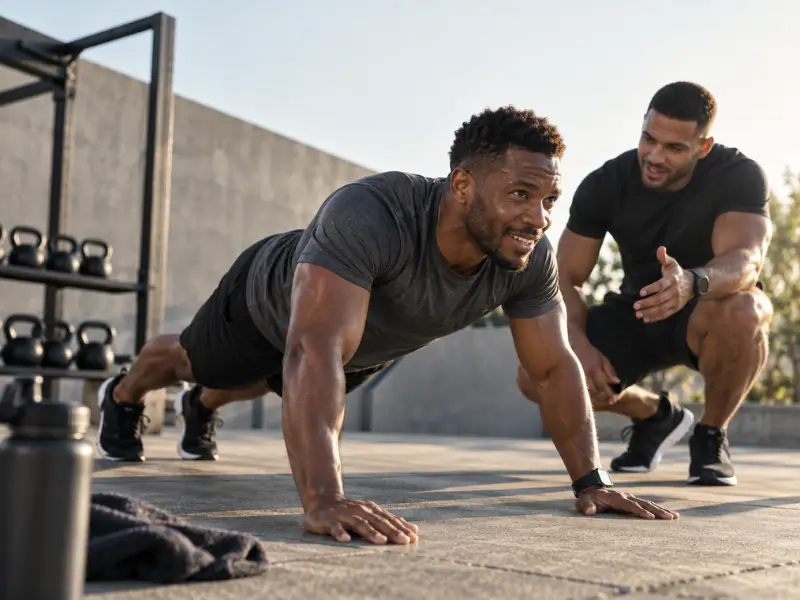
Better Fitness
Improved cardiovascular fitness and muscular endurance can change how your body responds to activity. You may recover faster, manage longer walks or workouts with less effort and feel better prepared for the physical demands of daily life.

Body Composition
The number on the scale only shows one part of the picture. A healthier balance between body fat and lean mass can give a clearer view of your progress and support a stronger, fitter body over time.
Why Weight Loss Efforts Often Fall Apart
Weight loss becomes much harder to sustain when the process leaves you hungry, exhausted, weaker or stuck doing the same things without seeing meaningful change. That kind of approach can wear down motivation quickly and make progress feel far less achievable than it really is.
Restrictive Dieting
Severe restriction can produce quick early losses, but it also increases hunger, food focus and fatigue. When the plan depends on constant willpower, adherence usually becomes harder as the weeks go on.
Losing Muscle
If weight comes down without enough resistance training or protein, some of that loss can come from lean tissue. That can reduce strength and leave body composition less improved than the scale suggests.
No Progressive Training
The body adapts to repeated workloads. If training stays unchanged for too long, the same sessions create less stimulus and progress can slow even though you are still putting in the effort.
Too Much Cardio
Large amounts of cardio can increase fatigue and recovery demands, especially when paired with reduced food intake. Without enough strength work, it can also do little to protect muscle during weight loss.
Poor Progress Tracking
Weight can fluctuate for reasons unrelated to fat loss, including water, digestion and training stress. If that number is the only measure used, useful progress can be misread and good decisions can be abandoned too early.
Poor Accountability
Most plans eventually hit difficult weeks. Without someone reviewing what is actually happening, it is easy to respond by cutting food further, training harder or giving up altogether instead of adjusting the plan intelligently.
How Austin Fitness Approaches Weight Loss
At Austin Fitness, we know how frustrating it can be to put in the effort and still feel unsure about what is actually working. Our approach is designed to replace that uncertainty with a clearer sense of direction, steady progress and the confidence that your training is moving you forward.

Qualified Personnel
Your training is led by professionals who understand how strength, movement, conditioning and body composition work together. That means better exercise selection, closer attention to technique and a programme that develops with purpose instead of relying on generic workouts.

Real Assessments
A proper starting assessment gives us a much clearer picture of your fitness level, movement quality, training history, current ability and any limitations that may affect how you train. From there, we can build a programme around you, so the plan feels realistic, appropriate and suited to how your body responds from the beginning.
Purpose-Built Equipment
Our studio is equipped for focused personal training, with equipment that supports strength, conditioning and controlled progression. You can train effectively without waiting for machines, working around crowds or adapting your session to whatever happens to be available.

Results-Driven Environment
Your progress is actively reviewed so we can see how your strength, fitness and body composition are changing over time. As you improve, your training can be adjusted to match your current ability, keep the right level of challenge in place and make sure each phase of the programme continues to support your goals.
Make Your Next Attempt The One That Sticks
A weight loss coach can give you an objective view of your training, habits and progress, helping you identify where things may be going wrong and what could make the biggest difference next. Austin Fitness uses that insight to shape a more focused plan around your actual starting point and goals.
Everything You Need For Proper Weight Loss Support
With Austin Fitness on your side, you are never left trying to figure out the next step alone. You have a clear plan, experienced guidance and ongoing support that adapts as your body, fitness and goals change.

Tailored Plans
We build your programme around your current fitness, training history, goals, available time and how your body responds. The plan is structured from the start, then developed as your strength, confidence and capacity improve.
Exercise Instruction
Every exercise is coached properly, with attention to setup, form, range of motion and control. We make sure you understand what you are doing, why you are doing it and how to perform it safely before increasing the challenge.
Progressive Training
Your programme does not stay static. We gradually increase resistance, volume, complexity or training demand as you become stronger, so your body keeps adapting and your sessions continue to have a clear purpose.

Personalised Nutrition Guidance
We help you make your eating habits work with your training and weight loss goals in a way that feels realistic. The focus stays on practical choices, consistency and routines you can actually maintain in everyday life.
Monitoring and Adjustments
We track changes in your weight, measurements, strength, fitness and body composition over time. Those results help us adjust your programme when needed, so your training continues to match your progress and current ability.

Accountability and Support
You have someone paying attention to the process with you. We check in, review what is working, identify where you are getting stuck and make practical changes so one difficult week does not turn into a lost month.
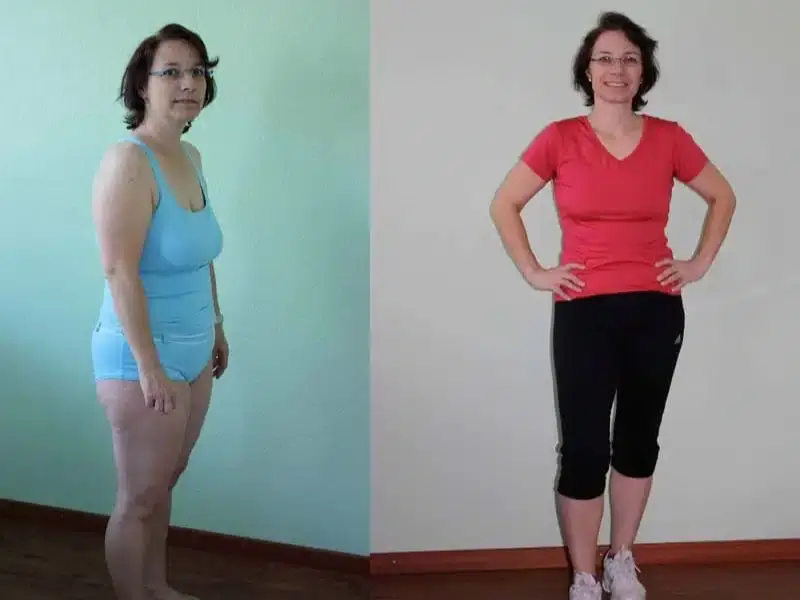
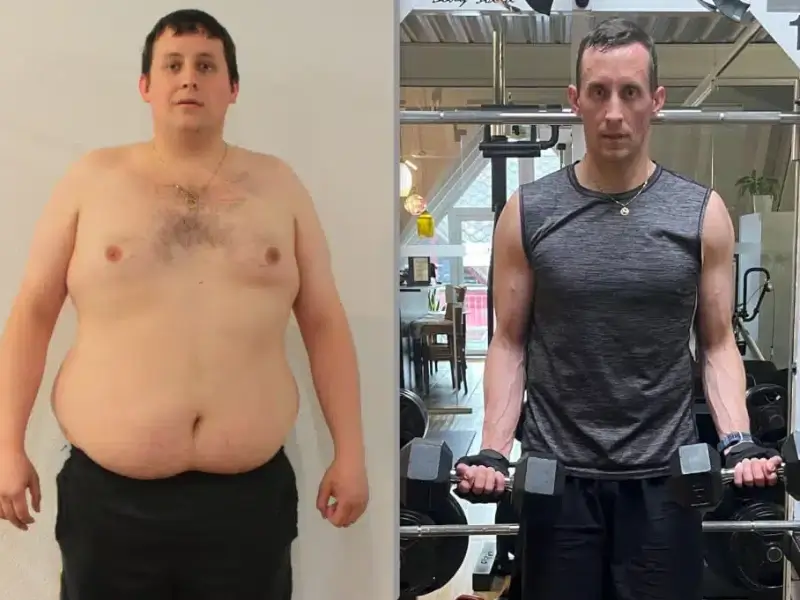
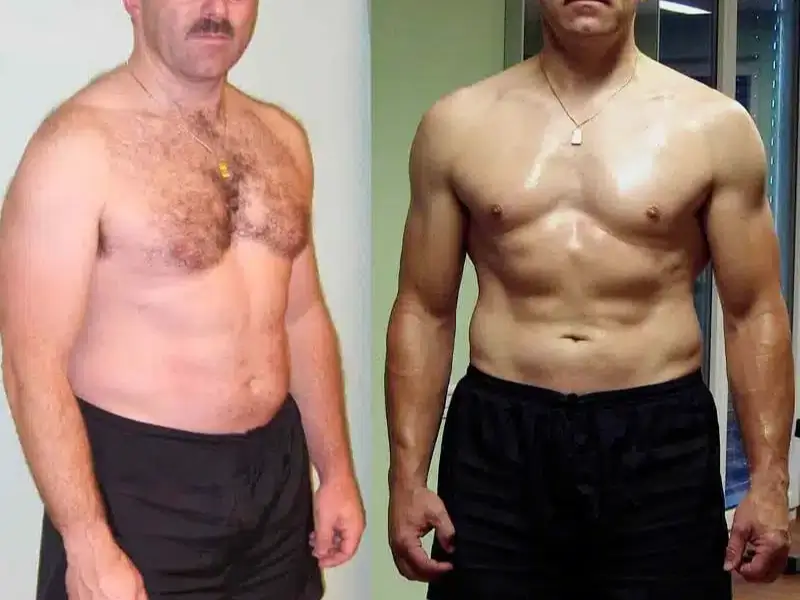
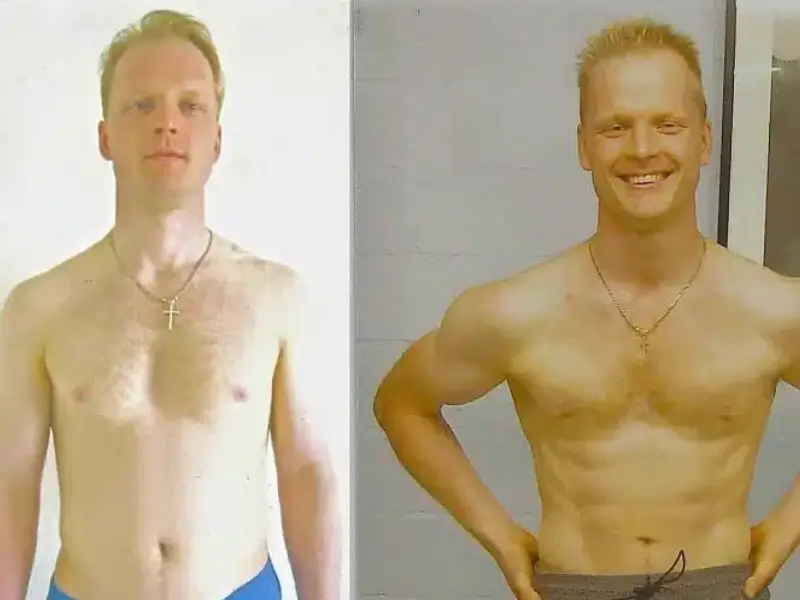
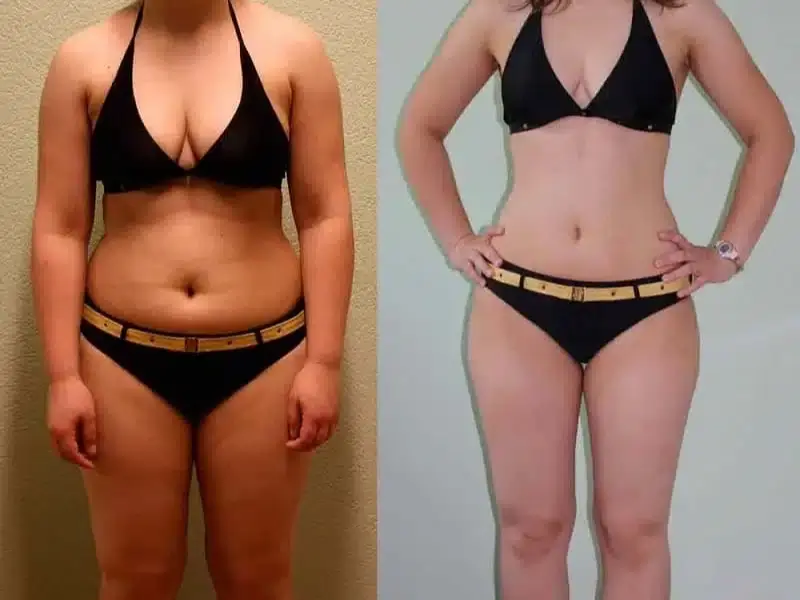
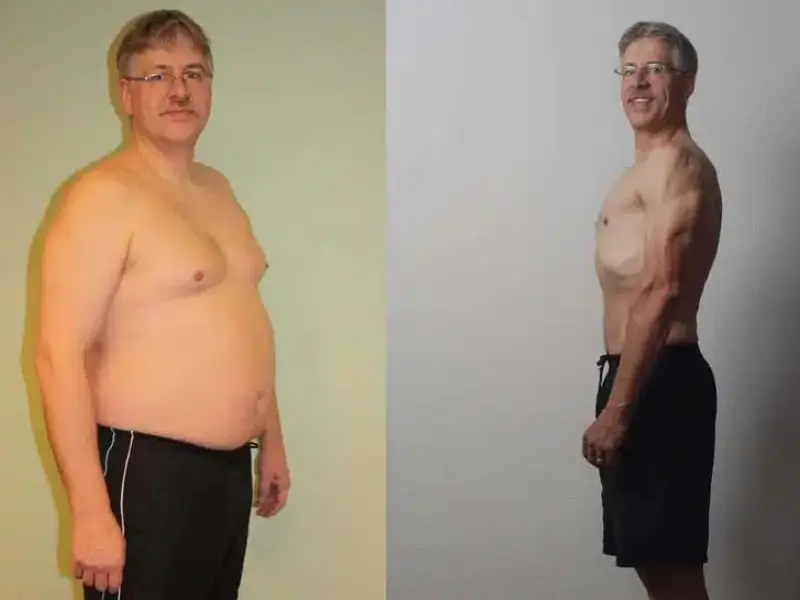
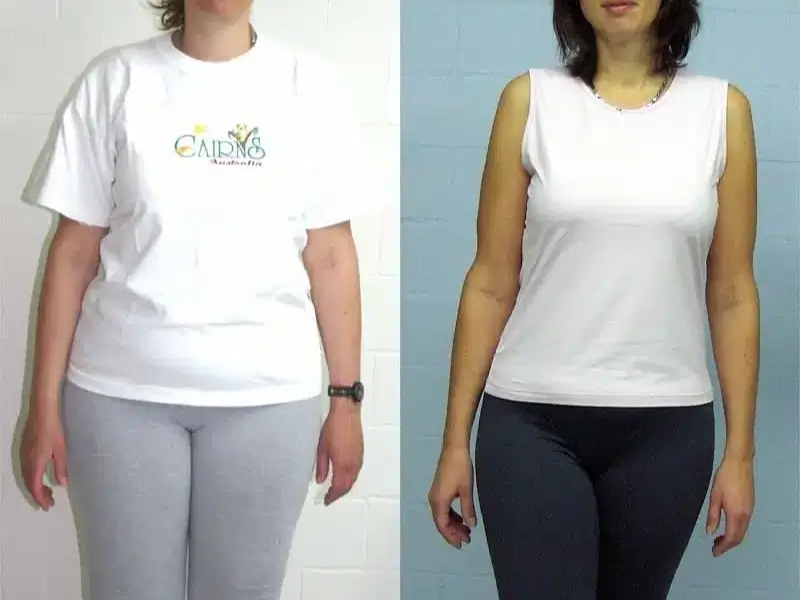
Real Weight Loss Results From Austin Fitness Clients
Real progress looks different for everyone, but seeing what other people have achieved can make your own goals feel far more tangible. Our clients´ transformations show what consistent training, patience and the right support can produce over time.

What Our Clients Say About Us
The best measure of our work is how our clients feel about the experience and the progress they make along the way. Their reviews give a clearer picture of the support, coaching and training environment we aim to provide every day.


A Better Fit for a Healthier You
Weight loss support should feel relevant to the person doing the work. This programme is a strong fit for people who want a clearer structure, a more supportive training environment and a realistic way to improve fitness and body composition over time.
Beginners
You do not need to arrive fit, confident or experienced. We meet you at your current level and help you build strength, technique and confidence at a pace that feels manageable.
People Who Have Regained Weight
Previous success does not always make the next attempt easier. We help you rebuild structure, understand what may have changed and create a plan that feels realistic enough to maintain.
People Who Dislike Commercial Gyms
A busy gym can make training feel uncomfortable or distracting. Our setup gives you a more focused environment where your session has a clear purpose and your coach can give you proper attention.
People Focused on Body Composition
If your goal is to reduce body fat while protecting or building muscle, the programme can be shaped around that. The focus stays on improving how your body performs and changes over time.
Frequently Asked Questions
What is the most effective way to lose weight?
The most effective approach is one you can follow consistently while preserving strength, muscle and your ability to train well. Fat loss requires your body to use more energy than it takes in over time, but simply eating as little as possible is unlikely to produce a good long-term result.
We prefer an approach that combines appropriate nutrition with resistance training, regular movement and sensible progression. Your plan also needs to reflect your current fitness, schedule and starting point. The aim is to create enough change to produce results without making the process so demanding that it becomes impossible to maintain.
Do I have to be in a calorie deficit to lose weight?
To reduce body weight, your body needs to use more energy than it receives over time. This is known as a calorie or energy deficit.
That does not mean you need to count every calorie or dramatically reduce how much you eat. A deficit can come from changes to food intake, increased activity or a combination of both. We focus on finding an approach that supports your training and keeps you functioning well while still creating the conditions needed for weight loss.
What is a safe rate of weight loss?
There is no single rate that is right for everybody. Starting weight, body composition, training experience, nutrition and individual circumstances can all affect how quickly weight changes.
A commonly used general target is around 0.5% to 1% of body weight per week, although some people may progress more slowly and still be doing very well. We are interested in the quality of the progress too. Rapid scale loss is far less useful if you are becoming weaker, losing significant muscle or struggling to maintain the routine.
How often should I train if I want to lose weight?
There is no fixed number of sessions that works for everyone. Your training frequency needs to suit your fitness level, recovery, experience and weekly schedule.
For many people, several well-structured sessions each week can provide enough stimulus to improve strength and fitness while still allowing adequate recovery. We would rather build a schedule you can follow consistently than prescribe an unrealistic training frequency that falls apart after a few weeks.
How often should I train if I want to lose weight?
There is no fixed number of sessions that works for everyone. Your training frequency needs to suit your fitness level, recovery, experience and weekly schedule.
For many people, several well-structured sessions each week can provide enough stimulus to improve strength and fitness while still allowing adequate recovery. We would rather build a schedule you can follow consistently than prescribe an unrealistic training frequency that falls apart after a few weeks.
Can I lose weight without doing lots of cardio?
Yes. Long cardio sessions are not a requirement for weight loss.
Cardiovascular exercise can increase energy expenditure and improve fitness, so it can certainly have a place in your programme. Resistance training is also valuable because it helps maintain or build muscle while you lose weight. We usually look at your whole activity level and build an appropriate mix rather than simply adding increasing amounts of cardio.
How do I lose weight without losing muscle?
Resistance training is one of the main tools we use to protect muscle during weight loss. Your muscles need a reason to stay, and appropriately challenging strength training provides that stimulus.
Nutrition also matters. Adequate protein and a sensible rate of weight loss can help preserve lean tissue. Very aggressive dieting, poor recovery and a lack of resistance training can increase the likelihood that some of the weight you lose comes from muscle.
This is one reason we look beyond scale weight when assessing progress.
What is the best exercise for reducing body fat?
There is no single exercise that produces the best fat-loss result for everybody.
We place a strong emphasis on resistance training because it develops strength, supports muscle retention and allows us to progressively challenge your body. Cardio, walking and other forms of movement can then complement your training and increase your overall activity.
The most effective programme is built from exercises you can perform safely, progress over time and continue doing consistently.
How can I lose belly fat?
You cannot choose where your body removes fat first. Abdominal exercises can strengthen the muscles around your midsection, but they do not selectively remove the fat covering them.
Belly fat generally decreases as overall body fat decreases. Genetics, sex, age and individual fat distribution influence where you tend to store fat and where you notice changes first.
We therefore focus on improving overall body composition rather than trying to target one area with specific exercises.
How long does it usually take to see weight loss results?
Some changes can appear fairly quickly, while others take longer to become obvious. Scale weight can also move up and down from day to day because of water retention, digestion, carbohydrate intake and other normal fluctuations.
Over several weeks, a clearer trend usually begins to emerge if the programme is producing the intended result. You may also notice changes in measurements, clothing, strength and fitness before a dramatic difference appears on the scale.
We prefer to assess progress over meaningful periods of time rather than judging the programme from a few individual weigh-ins.
Why has my weight loss stopped even though I am still exercising?
A plateau does not automatically mean your programme has stopped working. Your body weight naturally fluctuates, and short periods without scale movement can happen even while body composition is changing.
Longer plateaus may occur because your energy needs have changed as you lose weight, your activity has decreased without you noticing, your nutrition has gradually shifted or your current training no longer provides the same challenge.
This is where proper monitoring becomes useful. We can review what has actually changed before deciding that you need to eat less or train harder.
Why do I keep regaining weight after losing it?
Regain often happens when the method used to lose weight cannot realistically continue once the diet ends. Very restrictive eating, dramatic increases in exercise and short-term challenges can produce results, but they may leave you without a workable routine for maintaining them.
We want the habits you develop during weight loss to resemble something you could realistically continue afterwards. Maintenance still requires attention, but it should not feel like returning permanently to an extreme diet.
Should I focus on weight loss or body composition?
For many people, body composition gives us a better picture of what is happening than body weight alone.
Two people can weigh the same and have very different amounts of muscle and body fat. You can also lose fat while maintaining or gaining some muscle, which may mean the scale changes more slowly even though your physique and fitness are improving.
We therefore consider scale weight alongside measurements, strength, fitness and other useful indicators rather than allowing one number to define your progress.
How do you track progress during a weight loss programme?
We look for trends rather than relying on a single measurement. Depending on your programme and goals, we may monitor body weight, measurements, strength, fitness performance and body composition where appropriate.
Your training gives us useful information too. Improvements in exercise technique, resistance, repetitions, work capacity and recovery can show that your body is adapting even during periods when scale weight is relatively stable.
We use those results to make informed adjustments rather than changing your programme simply because of one disappointing weigh-in.
Is personal training suitable if I am very unfit or have not exercised in years?
Yes. You do not need to get fit before you start personal training with us.
We begin from your current ability and select exercises, loads and session demands that are appropriate for you. Technique and confidence come first, and we increase the challenge gradually as your body becomes better prepared for it.
If you have an injury, medical condition or symptoms that may affect exercise, we may ask you to speak with your doctor or another healthcare professional before starting or before certain types of training.
How personalised are Austin Fitness weight loss programmes?
Your programme is built around your own starting point rather than taken from a standard weight-loss template.
We consider your current fitness, training history, movement, goals, ability and practical routine before deciding how you should train. Your programme can then develop as your strength and fitness change.
That personalisation continues after the first programme is written. We review your progress and adjust the training when the evidence tells us something needs to change.
What happens during my first session with Austin Fitness?
Your first session gives us the chance to understand where you are starting and what you want to achieve. We discuss your goals, previous training experience, current activity and anything that may affect your ability to exercise comfortably.
We can then assess your current fitness and movement at an appropriate level and begin identifying the type of training that suits you. You do not need to prepare for it or prove how fit you are. The purpose is to establish a useful starting point for the work ahead.
Can I book a free trial session before committing to a programme?
Yes. You can start with a free trial workout before deciding if Austin Fitness is the right fit for you.
It gives you the opportunity to experience our training environment, meet us and get a better sense of how we coach. We can also learn more about what you want to achieve and discuss what an appropriate next step could look like for you.