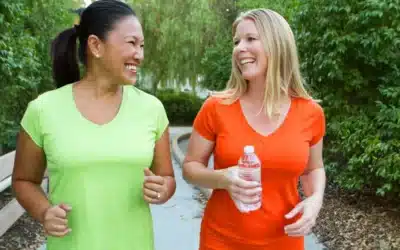
Many women reach their forties and start noticing subtle changes in how their body feels, moves, and responds. Workouts that once felt energizing may leave them drained. Rest doesn't come as easily....
Women’s Health and Fitness
Feel Strong Through Every Stage
Your fitness needs can change throughout life. From building strength and confidence to supporting energy, well-being, and long term health, movement can help you feel capable in every stage.
Women’s Health and Fitness
Feel Strong Through Every Stage
Your fitness needs can change throughout life. From building strength and confidence to supporting energy, well-being, and long term health, movement can help you feel capable in every stage.
Your Health, Your Way
Find supportive, practical advice tailored to women’s unique health and fitness needs, with guidance to help you feel stronger, more confident, and at ease in your everyday life.
A Fitness Plan That Fits You
Women´s health is not one-size-fits-all. At Austin Fitness, you train with personalised support that respects your goals, experience and everyday routine.
Explore More Wellness Topics
Wellness looks different for every woman. Browse more articles and find ideas, insights, and encouragement to support the habits that help you feel well, stay active, and make time for yourself.
Frequently Asked Questions
Is strength training important for women?
Yes. Strength training can help women build and maintain muscle, support bone health, improve everyday movement, and develop confidence in the gym. It can be adapted for every experience level, from complete beginners to experienced lifters.
What types of training support bone health for women?
Weight-bearing movement and resistance training are especially useful for supporting bone health. This can include walking, running, dancing, stair climbing, bodyweight exercises, resistance bands, and lifting weights.
Is Austin Fitness suitable for women who are new to strength training?
Yes. A personalised approach means your starting point, confidence, goals, and fitness level can all be considered. You can learn good technique, progress at a comfortable pace, and build a routine that feels manageable from the beginning.
How do hormones affect women’s energy, recovery, and exercise performance?
Hormonal changes can affect how you feel from day to day, including your energy, sleep, mood, appetite, and recovery. Rather than expecting every workout to feel the same, it can help to use these signals to adjust your training and recovery when needed.
Should I adjust my workouts around my menstrual cycle?
There is no single plan that works for every woman. Some women prefer to train as usual throughout their cycle, while others benefit from reducing intensity, choosing gentler movement, or allowing more recovery when symptoms or energy levels change.
Can a fitness plan be adapted for PCOS or endometriosis?
Yes. A fitness plan can be adjusted around symptoms, energy levels, pain, recovery, and personal goals. Speak with a healthcare professional if you have questions about your condition or need medical advice, then use that guidance to shape a realistic training routine.
Can I exercise during pregnancy?
For most uncomplicated pregnancies, exercise is encouraged, but you should speak with your obstetric care provider before starting or changing a routine. Guidance recommends around 150 minutes of moderate-intensity activity each week for pregnant women without medical or pregnancy complications.
When can I return to exercise after having a baby?
The right time depends on your delivery, recovery, and any complications. Gentle movement may be appropriate relatively soon for some women, but it is best to discuss your return to exercise with your obstetric care provider, particularly after a Caesarean birth or a complicated delivery.
How can I rebuild core and pelvic floor strength after having a baby?
Start gradually and focus on breathing, gentle core control, pelvic-floor exercises, walking, and movements that feel comfortable. A pelvic-health physiotherapist or qualified coach can help you progress safely, especially if you have pain, heaviness, leaking, or abdominal separation concerns.
How can I exercise safely during perimenopause or menopause?
Focus on a well-rounded routine that includes strength training, weight-bearing activity, cardiovascular exercise, mobility, and recovery. Regular strength and weight-bearing exercise can help support bones during menopause; adjust intensity to suit symptoms, sleep, joint comfort, and energy levels.
Does Austin Fitness offer personalised coaching for women?
Yes. At Austin Fitness, personalised coaching can be shaped around your goals, current fitness level, schedule, and the support you need to feel comfortable and make steady progress.